Why the original trilogy wasn’t enough
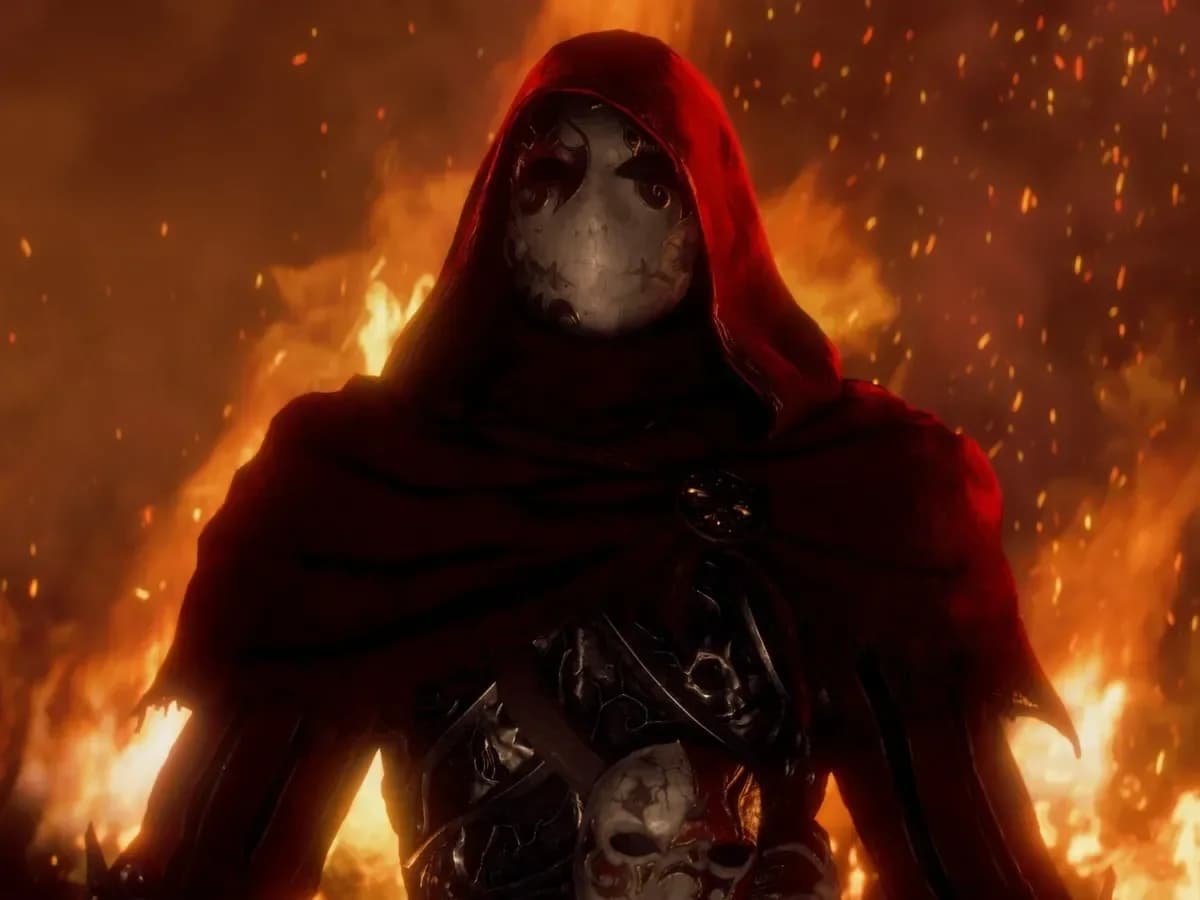
Fable is scheduled to launch on PS5, PC, and Xbox Series X and S on February 23, 2027. IGN reports that Playground Games set up a separate team alongside its Forza Horizon operation to make the reboot. It was a new genre for the studio, and the games it had to measure itself against went well beyond the original Fable trilogy.
In a GamesIndustry.biz interview covered by IGN, Fable general manager Ralph Fulton singled out The Witcher 3 as a benchmark for open-world action RPGs. He also pointed to Assassin’s Creed Origins, Odyssey, and Valhalla, which took that series further into role-playing. Fulton’s point was that those games had changed what players expected from the genre, so the original trilogy alone couldn’t tell Playground what a modern audience would look for.
A smaller project can still mean a longer Fable
IGN reports that Playground scaled back its initial plans for the reboot. In August, the studio estimated about 20 hours for the main quest, with another 15 to 20 hours of side content and exploration. For comparison, IGN cites HowLongToBeat figures of roughly 12½ to 13½ hours for the main stories of the three original games.
Those figures suggest the reboot could have a longer main story than any of the originals, even after the project was scaled back. But they aren’t directly comparable: Playground is estimating the length of an unreleased game, while the older figures come from games people have already played. For PS5 players, the estimates are more useful as a rough guide to how much there is to do away from the main quest than as a forecast of their own completion time.

Analysis: What matters more than the hour count
Fulton’s examples explain why Playground looked outside the series, but they don’t tell us which ideas, if any, the team borrowed. For players coming to Fable on PS5, a better test is whether an optional detour offers something the main story doesn’t. If stepping off the main path gives players room to make a choice and see an unexpected consequence, that can help the reboot establish its own identity. If detours mostly fill time between story beats, a longer game won’t tell us much about how well Playground met the standard Fulton describes.