Two ways to read an opponent
A tough fight can ask players to learn an opponent’s moves without making them second-guess their own controls. That was the distinction producers Kohei Shibata and Masakazu Hirayama drew in an interview with INVEN Global at GCON 2026 in South Korea, as reported by Kotaku.
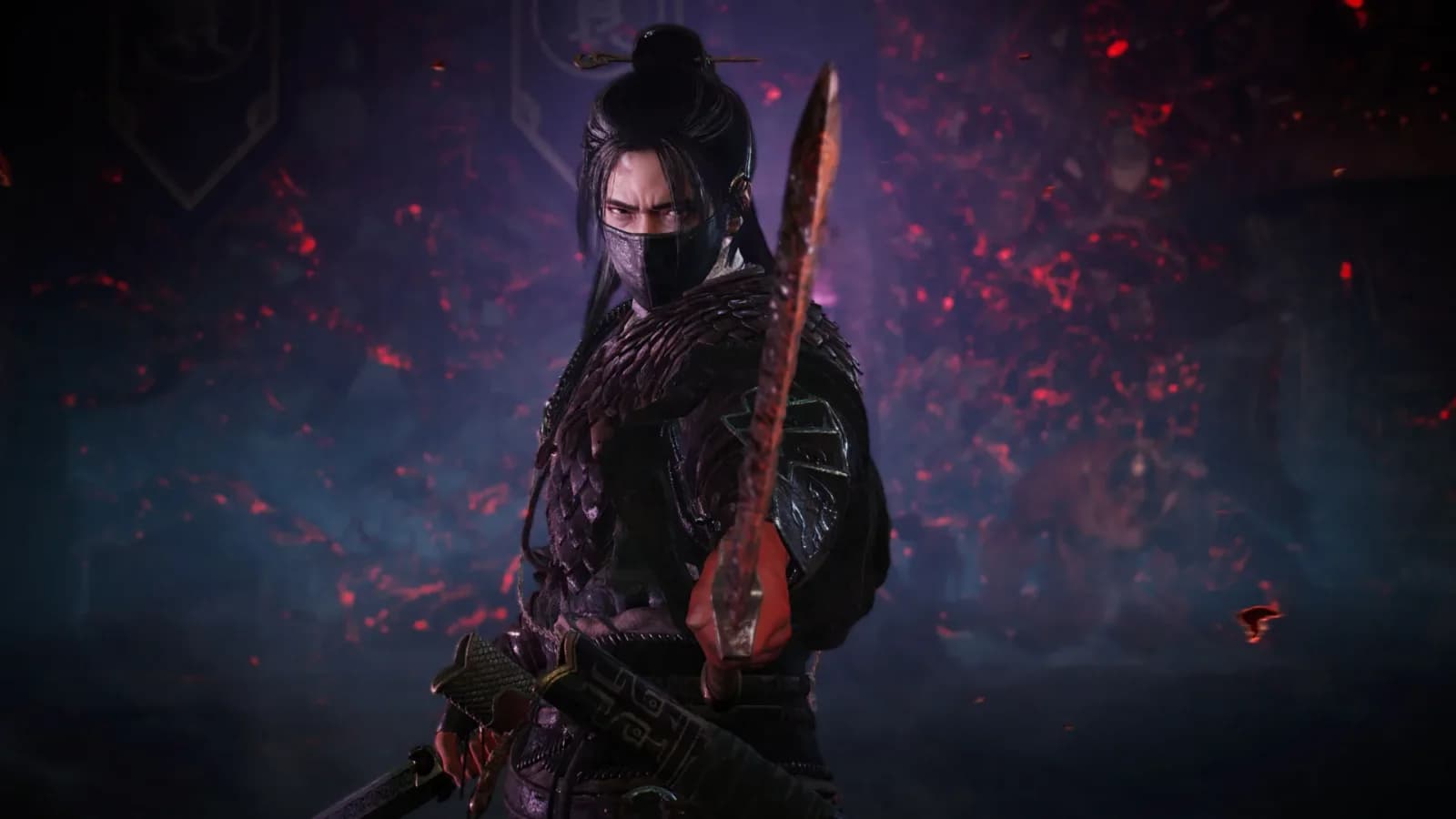
Shibata described Nioh’s samurai combat as a rhythm of waiting and striking: hold your ground, watch the opponent and move when an opening appears. Hirayama described a more aggressive rhythm in Wo Long: Fallen Dynasty, where a defensive move should lead directly into the next attack. Both approaches reward reading an enemy, but one emphasizes patience while the other emphasizes turning defense into offense.
Shibata said responsive controls are central to making that challenge work. A button press that produces too little movement can frustrate the player; a small input that produces too much can feel just as wrong. In either case, it gets harder to tell whether a failed move came down to the player’s timing or the game’s response.
Where Team Ninja says it uses AI
Shibata said Team Ninja already uses AI in quality assurance and other verification work. He presented it as a way to spend less time on repetitive checks and free up time to improve the game. He also said the studio is still evaluating how best to use the technology and that people should decide what makes a game enjoyable. The report does not identify the tools or say whether they were used on Nioh or Wo Long.
Analysis: A control check isn’t a judgment about fairness
Testing can help establish whether a move responds consistently. Deciding whether the player had enough information to choose that move is a different question. An attack can behave exactly as designed and still be hard to read. That distinction is what makes the producers’ examples useful: the goal isn’t to make the fight easier, but to make a loss give the player something they can act on in the next attempt.