
A routine pickup becomes a money problem
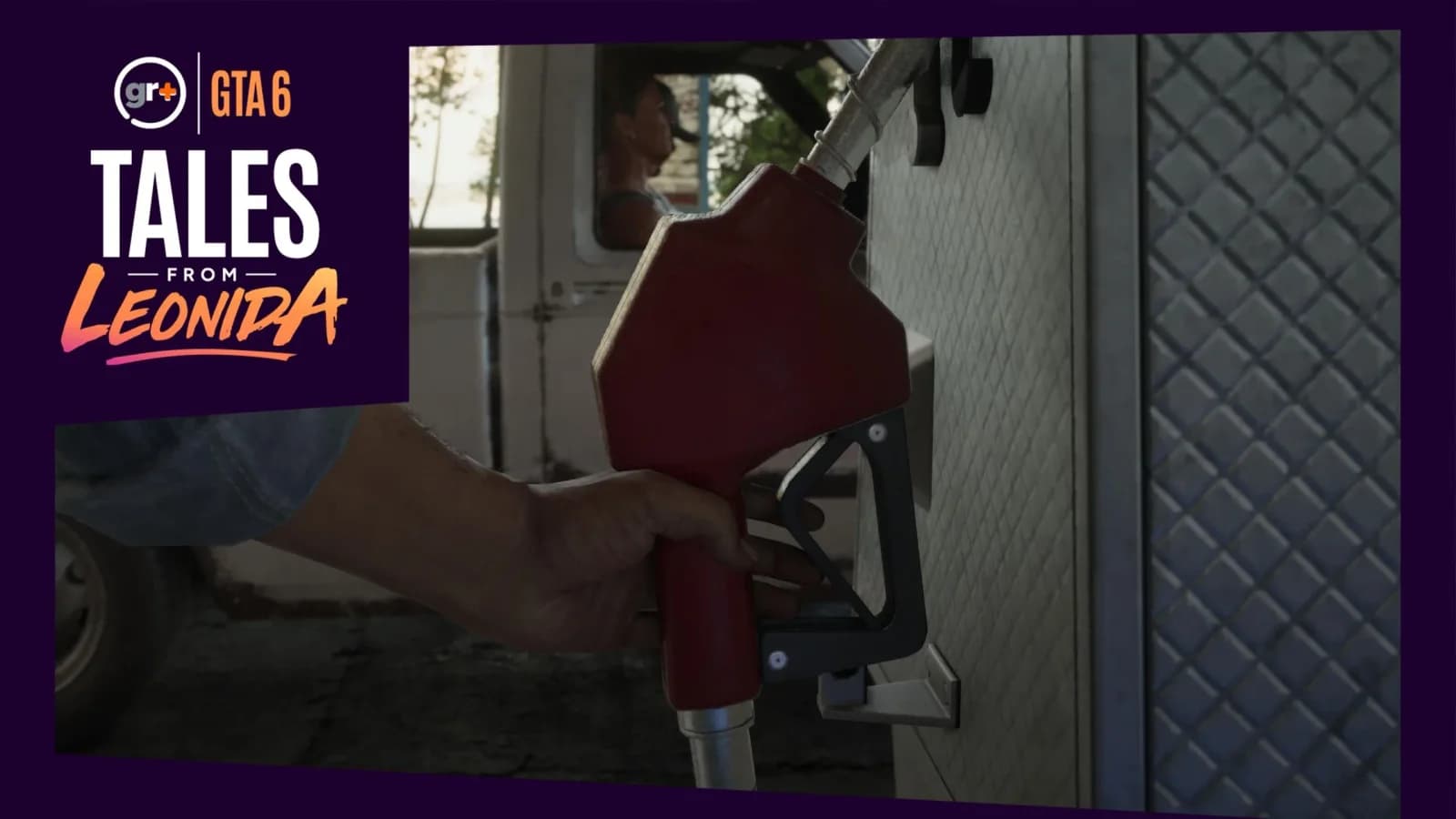
In his GamesRadar+ account of Chapter One, Oscar Taylor-Kent describes watching his fuel run low while Jason is due to collect Lucia from a work assignment tied to her prison release. The game tracks both fuel and engine condition, but Jason’s immediate problem is simpler: he can’t afford to fill up.
Money on hand isn’t the same as money saved
Taylor-Kent describes collecting cash from a mailbox and deciding how much to hide under the floorboards. Money Jason carries is ready to spend but easier to lose. After Jason and Lucia are turned down for a bank account, they set up a joint BuckMe wallet. Jason can contribute to shared savings goals but can’t withdraw those savings as cash. Some jobs, meanwhile, pay into funds he can access at an ATM.
Cash on hand also matters when Jason attracts police attention. Taylor-Kent reports that police can recognize Jason’s appearance and vehicle. In one encounter, he ducks into a shop hoping to change clothes, only to discover he’s spent too much on hats to afford a new outfit. He has enough for a chocolate bar, but not for the one thing he came in to buy.
Analysis: The budget tells part of Jason and Lucia’s story
A single balance would tell players how much money Jason has. Splitting it between his pocket, his hiding place, and a restricted account asks a more immediate question: what can he pay for right now? The gas stop makes the difference tangible. Shared savings can count as progress for Jason and Lucia without putting any fuel in the tank.
Keeping track of several balances could turn into busywork. What makes it work in the opening described by GamesRadar+ is that each expense has a clear purpose: gas helps Jason get to Lucia, and a change of clothes can help when police know what he looks like. Taylor-Kent’s account doesn’t establish whether those trade-offs stay compelling later, but in Chapter One they show just how little room Jason and Lucia have for a mistake.