
The planet system that didn’t ship
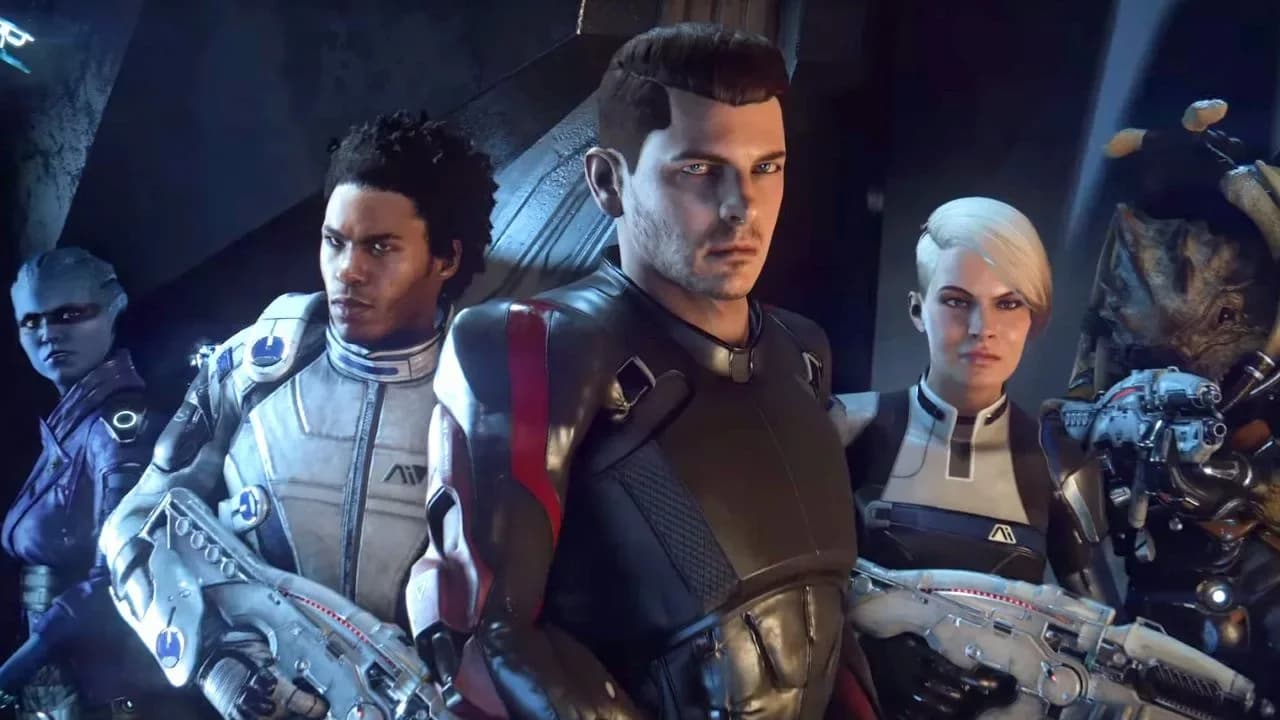
Mass Effect: Andromeda launched in March 2017 without a system BioWare had pursued to generate planets for players to explore. In an interview with YouTuber Pembridge, as reported by GamesRadar+, former BioWare producer Mark Darrah argued that the team spent too long trying to make the idea work.
Darrah traced the idea to Casey Hudson’s enthusiasm for Star Control and a longstanding interest in random planetary exploration within Mass Effect. He recalled, with some uncertainty, that work continued into late 2016. In hindsight, he said BioWare should have dropped the system a year or two earlier.
Why the timing mattered
Darrah’s criticism wasn’t simply that BioWare spent time on a feature it eventually cut. The team expected the generator to provide a substantial share of the game’s content, he said, so it wasn’t building alternatives to fill that space. Once the system was dropped, there was little time left to make up the difference.
The percentages Darrah mentioned were hypothetical, not estimates of how much of Andromeda BioWare planned to generate. His account explains why he thinks the late cut hurt the game, but it doesn’t establish what the team would have built instead.
Analysis: The risk was depending on the generator
Testing a planet generator is one decision; counting on it to fill a large part of an RPG is another. The more content a team expects the system to supply, the sooner it needs to know whether the system can deliver. Otherwise, cutting the feature can leave a large share of the game still to build.
For PlayStation players looking back at Andromeda, Darrah’s account shifts the question from whether more planets would have improved the game to what BioWare might have had time to make if it had changed course sooner. The interview offers a reason to ask that question, not a definitive answer.